Table of Contents
Compare the Door-Pocket Listings
One multi-tool, two first-aid kits and two headlamp options. Confirm the current listing, included items and specifications before purchase.
| Product | Job in the kit | Review |
|---|---|---|
| SOG PowerAssist Multi-Tool Pliers | Tool | See pick |
| Adventure Medical Kits Mountain Series Hiker | First aid | See pick |
| Nitecore NU25 360 Lumen Rechargeable Headlamp | Headlamp (light) | See pick |
| Petzl ACTIK CORE Rechargeable Headlamp | Headlamp (lock function) | See pick |
| North American Rescue Eagle IFAK Kit | First aid (trauma-focused) | See pick |
Most overland trips go wrong in small ways first: a stuck zipper, a scraped knuckle, a dead light at dusk. A kit that lives within reach of the driver's seat costs very little space and covers those small problems before they grow.
This guide looks at five products Trail Built has already covered in other guides: a multi-tool, two first-aid kits and two headlamps to choose between. It reuses the notes from those guides and does not add new claims. Check each current listing before you buy.
The short answer
- Carry a light you can find in the dark: pick one of the two headlamps and keep it in the same spot every time.
- Carry two real first-aid kits: a compact purpose-built kit for small injuries, plus a trauma-focused kit for remote routes, beats a few loose bandages.
- Add a multi-tool: it handles small repairs that would otherwise need the toolbox.
How to judge a door-pocket kit
1. Does it fit where you will keep it?
Measure the pocket or glove box first. Compact is the point, so confirm the listed dimensions against the space you have.
2. Can you use it in the dark?
For the headlamp, look at the lighting modes, the water-resistance rating and whether it has a lock so it does not switch on in a bag. A red mode helps at camp.
3. Will you keep it stocked?
A first-aid kit only helps if it is restocked after use. A rechargeable lamp only helps if it is charged. Put both on a pre-trip checklist.
The five door-pocket picks
The multi-tool, a compact first-aid kit and the two headlamp options come first, followed by a trauma-focused first-aid kit for remote routes. Choose one headlamp.
1. SOG PowerAssist Multi-Tool Pliers — a multi-tool for small repairs
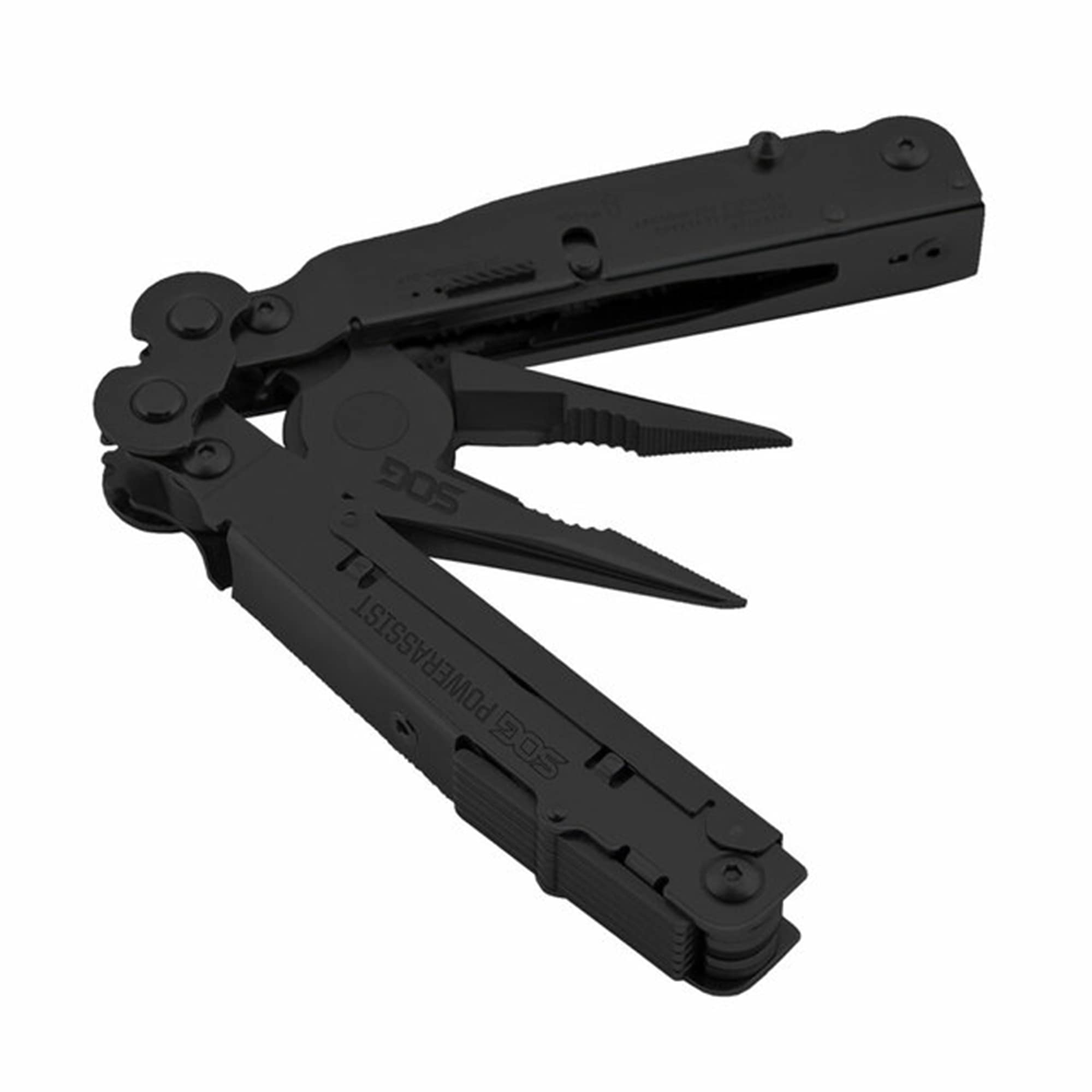
SOG PowerAssist Multi-Tool Pliers
A multi-tool listed with 16 tools, an EDC sheath and compound-leverage pliers. It fits the small-repair layer of a kit rather than replacing dedicated tools.
What the site notes support
- Listed with 16 tools and a ballistic-nylon EDC sheath.
- Compound-leverage pliers with integrated hand-tool functions.
- A compact repair option to pack apart from recovery hardware.
2. Adventure Medical Kits Mountain Series Hiker — a compact first-aid kit
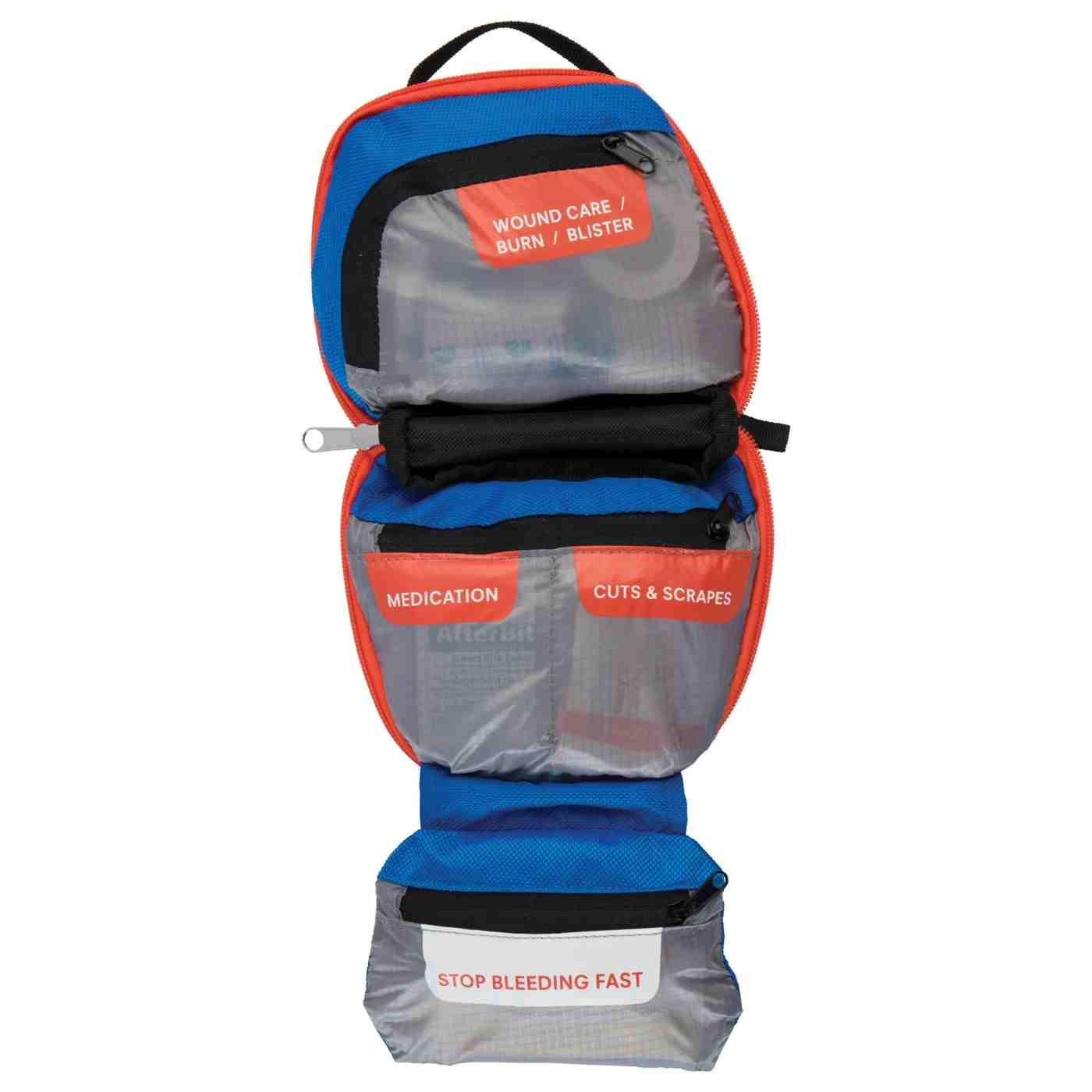
Adventure Medical Kits Mountain Series Hiker
A compact first-aid kit aimed at minor injuries, blister care and routine campsite first aid.
What the site notes support
- Purpose-built outdoor first-aid kit for hiking, camping and vehicle-based travel.
- Organized wound-care basics, which suits a vehicle better than an ultralight pocket kit.
- Compact enough for a glove box.
3. Nitecore NU25 360 Lumen Rechargeable Headlamp — a very light rechargeable headlamp
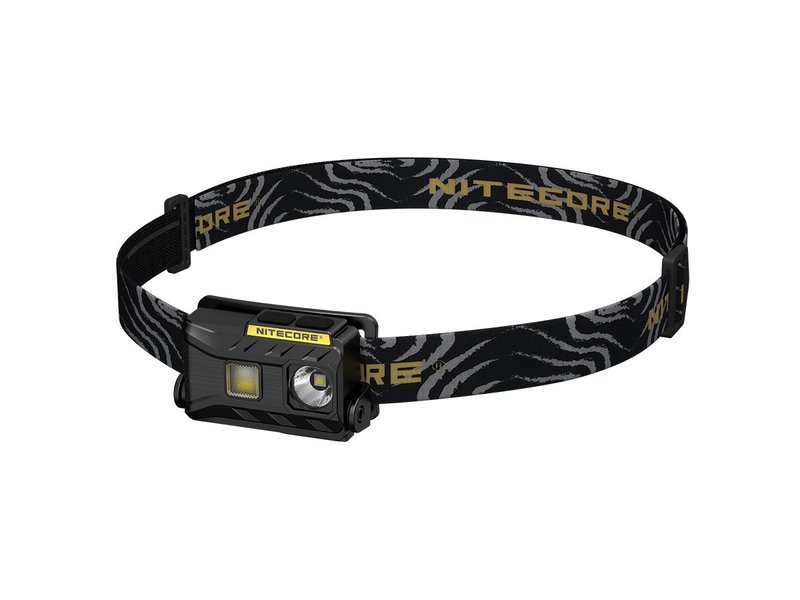
Nitecore NU25 360 Lumen Rechargeable Headlamp
A rechargeable headlamp that Trail Built lists at 57 grams with an IP66 rating.
What the site notes support
- Listed at 57 grams, which keeps head fatigue down on long wear.
- IP66 rating supports use in dust and rain.
- Rechargeable battery.
4. Petzl ACTIK CORE Rechargeable Headlamp — a headlamp with a lock function
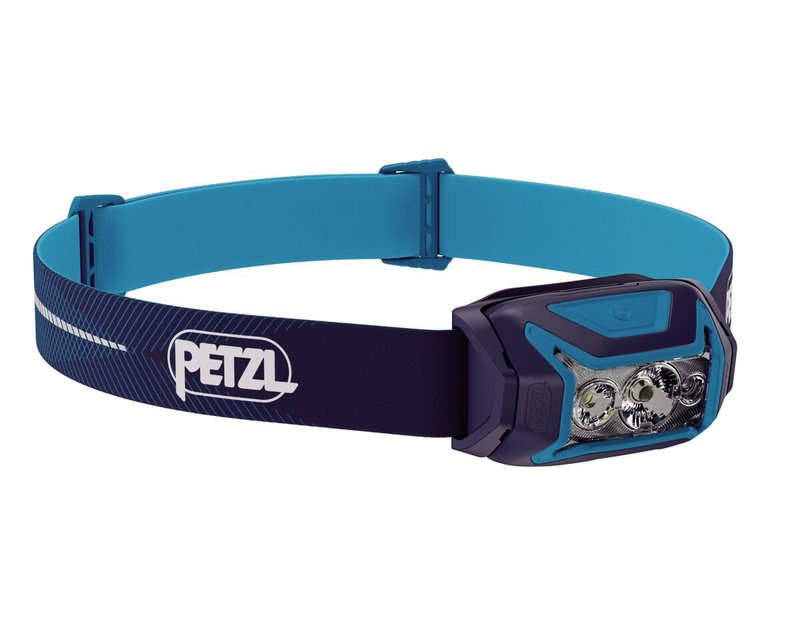
Petzl ACTIK CORE Rechargeable Headlamp
A rechargeable headlamp with multiple modes, including red and white flood beams.
What the site notes support
- Multiple lighting modes including red and white flood beams.
- A lock function to avoid accidental activation in a bag or pocket.
- IPX4 water resistance for rain and splashes.
5. North American Rescue Eagle IFAK Kit — a trauma-focused kit for remote routes
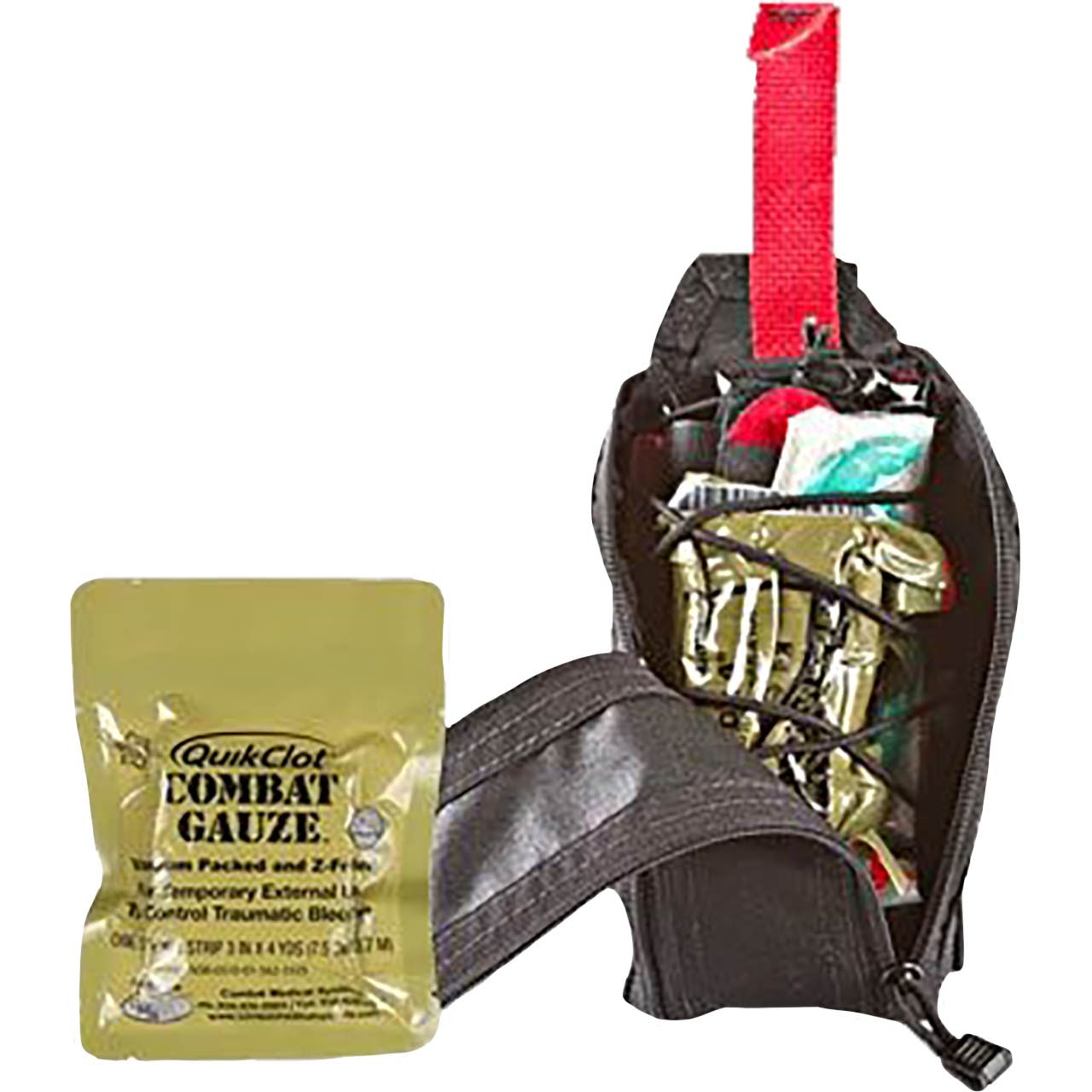
North American Rescue Eagle IFAK Kit
A trauma-focused IFAK option for remote travel and higher-risk trips, a more serious trauma-focused option.
What the site notes support
- Trauma-oriented kit format.
- Compact MOLLE-compatible layout suits a cab, cargo area or recovery kit.
- Aimed at remote routes where response times may be longer.
Which pick fits which trip
- Weekend trips close to home: the multi-tool and a light cover most small problems.
- Remote routes: add the first-aid kits and pair them with the first-aid kit guide.
- Night-heavy trips: compare the headlamp options in the headlamps and lanterns guide.
If you are still building the full kit, the complete packing list shows where each piece fits.
Before you buy: size, rating, and fit
- Confirm the exact model on the current listing.
- Measure your storage spot against the listed dimensions.
- Check the included items of the first-aid kit against your needs.
- Read the warranty and care terms on the item you choose.
Door-pocket kit FAQ
What should go in a door-pocket kit?
Keep it to the few things you reach for most: a light, two first-aid kits and a small tool. Anything bulky or heavy belongs in a bin or drawer instead.
Do I need more than one headlamp?
No. The guide lists two headlamps as options, so choose one.
Can a first-aid kit replace training?
No. A kit holds supplies, not skills. Consider a first-aid course before remote trips and restock the kit after any use.
How should I check a product before buying?
Open the current Amazon listing, confirm the exact model and size, read the included-items list, and compare the specifications with what you plan to carry.