📋 Table of Contents
Why the Tacoma Dominates Overlanding
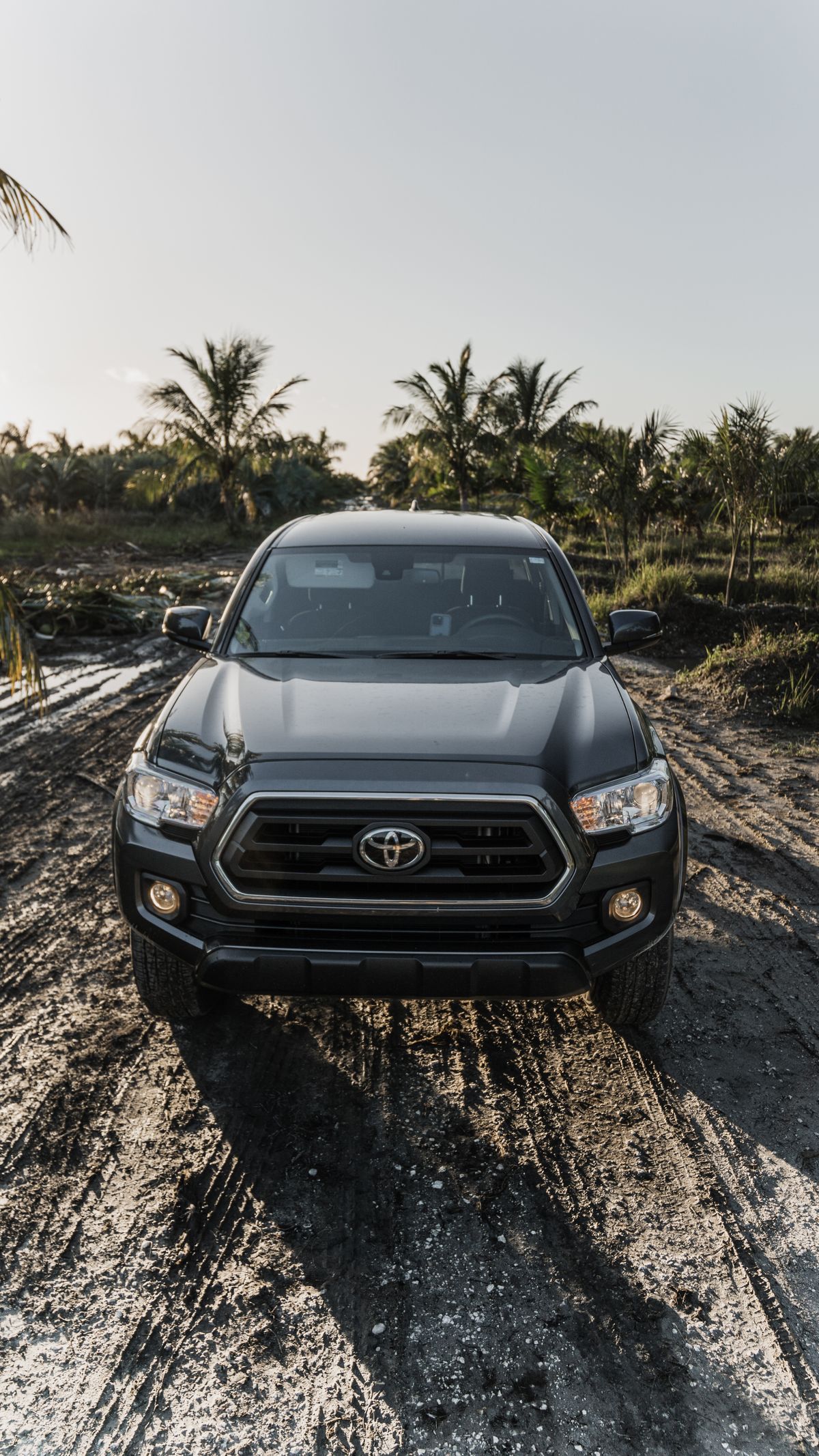
No truck shows up at more trailheads than the Toyota Tacoma. It's not a coincidence. The mid-size pickup hits an almost perfect intersection of capability, reliability, parts availability, and resale value — and it does it in a package that fits in a standard parking space and gets reasonable fuel economy on the highway.
The Tacoma's overlanding dominance is reinforced by one of the strongest aftermarket ecosystems in the industry. Hundreds of companies make purpose-built parts for it. Suspension options run from budget-friendly Rough Country spacers to Icon's Stage 6 coilover systems. Bed rack manufacturers design specifically for the 5-foot and 6-foot bed. Recovery gear companies use the Tacoma as their test mule. If you can think of the modification, someone's already engineered it for this truck.
That said, a Tacoma isn't perfect out of the box. The factory suspension is fine for daily driving but soft for loaded off-road use. Payload is modest — you need to be intentional about what you add. And the bed is shorter than a full-size, which shapes your sleeping and storage decisions. This guide walks through how to address all of it, at three different budget levels.
Gen 2 vs Gen 3: Which to Build?
The Gen 2 Tacoma ran from 2005 to 2015. The Gen 3 covers 2016 through 2023 (with a full redesign arriving in 2024). Both are excellent overland platforms, but they have meaningful differences that affect your build path.
Gen 2 advantages: The Gen 2 is simpler mechanically — no KDSS (Kinetic Dynamic Suspension System), fewer electronics to complicate a lift, and a larger aftermarket driven by sheer volume of trucks on the road. Used prices are lower, leaving more budget for modifications. Many experienced overlanders prefer the Gen 2 for long-term expedition use precisely because there's less that can go wrong electronically in remote areas.
Gen 3 advantages: The Gen 3 brings a stronger frame, improved crash ratings, updated infotainment, and more factory capability options (TRD Pro, TRD Off-Road with factory locker). The 3.5L V6 makes more power than the Gen 2's 4.0L and delivers slightly better fuel economy. The Gen 3 also responds better to aftermarket tuning for those looking to add performance.
The KDSS consideration: Gen 3 trucks with the KDSS option (standard on TRD Pro, optional on Off-Road trim) require KDSS-compatible suspension components. Not every aftermarket kit supports it, and KDSS-compatible coilovers typically cost $300–500 more. Factor this into your budget if you're building a Gen 3 with KDSS.
For most builders on a budget under $10k, a clean Gen 2 with lower miles leaves more money for meaningful modifications. For those starting with a newer Gen 3 they already own, the additional suspension complexity is manageable and the platform is excellent.
The $3k Build — Weekend Warrior
This build turns a stock Tacoma into a genuinely capable weekend overlander without touching critical drivetrain components. The focus is lift, tires, basic recovery, and a functional sleeping/storage setup. Total investment: approximately $2,900.
Suspension: Bilstein 5100 + OME Dakar Rear Springs
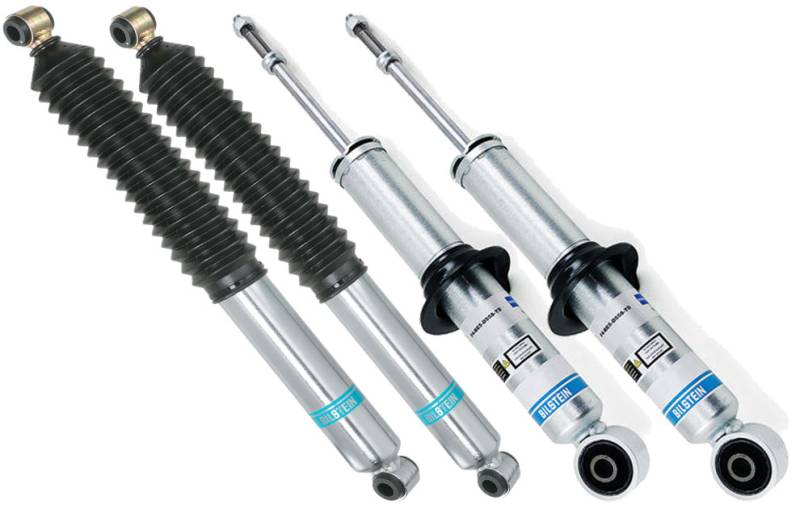
Bilstein 5100 Series Front/Rear Shock Set
Why We Like It
- Monotube design dissipates heat better than twin-tube budget shocks
- Front units adjustable to 0", 1.75", or 2.5" of lift
- Dramatically improves ride quality over stock, especially loaded
- Fits Gen 2 and Gen 3 without KDSS conflict
- Bilstein warranty and parts availability nationwide
Pair the Bilsteins with OME Dakar rear leaf springs (~$280). The Dakar spring is rated for medium loads — perfect for a truck that will carry camping gear, water, and recovery equipment without being oversprung for empty highway driving. This combination gives you 1.5"–2" of lift, improved articulation, and a noticeably more planted feel on rough terrain.
Tires: 265/75R16 BFGoodrich KO2
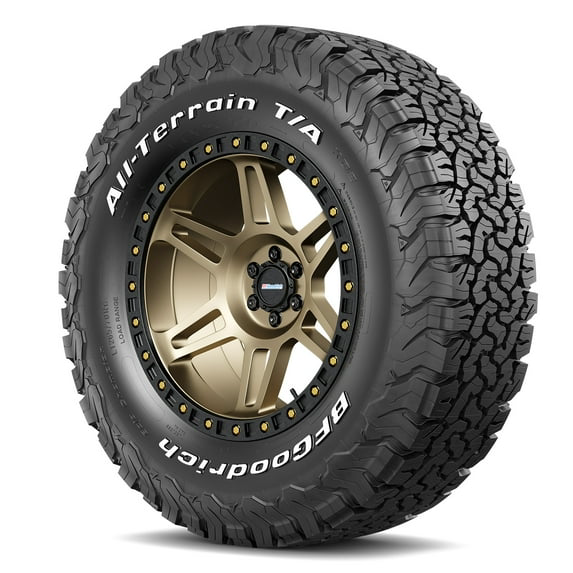
BFGoodrich All-Terrain T/A KO2 — 265/75R16 (Set of 4)
Why We Like It
- Fits 16" stock Tacoma wheels — no wheel upgrade required
- CoreGard sidewall technology resists cuts and punctures
- Excellent wet and mud traction for an all-terrain tire
- Highway noise is acceptable for daily driving
- BFG's proven 50,000-mile treadwear warranty
At this budget tier, staying on 16" stock wheels is the right call. The 265/75R16 is a 31.6" tire — a meaningful upgrade from the factory 265/65R17 that most Tacomas ship with. You get more sidewall, better flotation in sand and mud, and more aggressive tread without needing a spacer or rubbing concerns.
Recovery: Kinetic Rope + Recovery Boards
No overland build is complete without recovery gear. At this tier, budget approximately $320 for a quality kinetic rope (Bubba Rope 3/4" x 30' at ~$89) and a set of recovery boards (TRED Pro or Maxtrax at ~$219). Add two rated D-ring shackles (~$30) and you're ready for most stuck scenarios. See our full recovery gear guide for detailed recommendations.
Lighting: Nilight LED Pod Lights
A pair of Nilight 4" LED pods (~$60 on Amazon) mounted to the A-pillar or hood provides meaningful auxiliary lighting for night driving on unlit roads. Wire them to a relay with a cab-accessible switch. At this price point they're hard to beat for basic trail illumination.
Storage: Decked Bed Drawer System
The Decked drawer system (~$1,200 installed) converts your Tacoma bed into a two-drawer organizational platform with a flat sleeping surface on top. You can sleep in the bed with the tailgate up, access gear through the drawers from outside the truck, and keep camping equipment separated from recovery gear. It's expensive for this tier but it's the single modification that most improves the daily usability of the truck as an overland rig.
Check Decked Bed System on Amazon ↗Tier 1 Total: ~$2,900 — Bilstein 5100 set ($419) + OME Dakar rears ($280) + BFG KO2 tires ($1,099) + recovery gear ($320) + Nilight pods ($60) + Decked system ($1,200).
The $8k Build — Trail Ready
This build takes everything serious. Proper coilover suspension, a winch, a roof-top tent, and real lighting. This is a truck you can drive to a remote trailhead, tackle technical terrain, and sleep comfortably in any weather. Total investment: approximately $7,800.
Suspension: Dobinsons MRR Coilovers
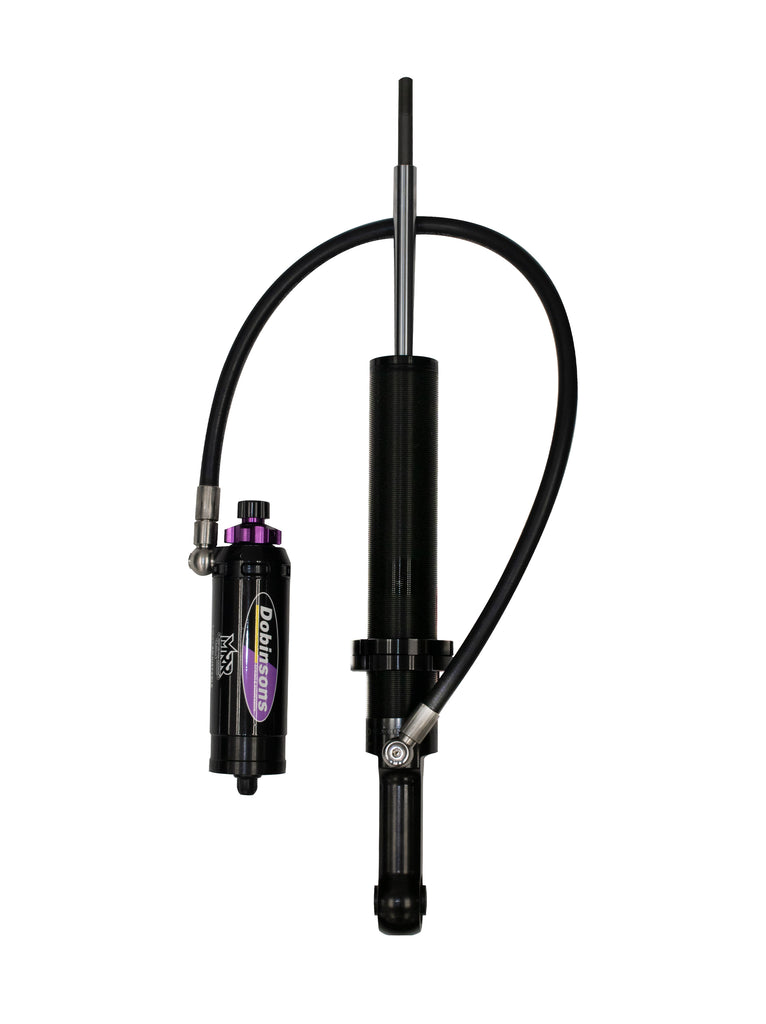
Dobinsons MRR Remote Reservoir Coilovers — Front Pair
This model has been discontinued. No current, Tacoma-specific front-pair successor has been verified, so this review is not linked.
Why We Like It
- Remote reservoir dramatically improves fade resistance on long descents
- Adjustable from 0"–3" of lift at the front
- MRR valving tuned specifically for loaded overland use
- Available in KDSS-compatible configuration for Gen 3
- Better value than Icon or King at equivalent performance
No verified link
Pair the Dobinsons fronts with an add-a-leaf (AAL) or upgraded Dakar rear springs for a matched system. You're looking at a 2"–3" lift that handles loaded camping gear without squatting, articulates well on the trail, and still rides comfortably on pavement.
Tires: 285/70R17 BFG KO2
Step up to 285/70R17 (~$900 for a set of four) for a 32.7" tire that fills the fenders properly with the coilover lift. You'll want to verify clearance on your specific truck — most Gen 2 and Gen 3 Tacomas handle this size without rubbing on the front CV boots at full lock with a 2.5"+ lift.
Check 285/70R17 KO2 on Amazon ↗Winch: Warn ZEON 10-S
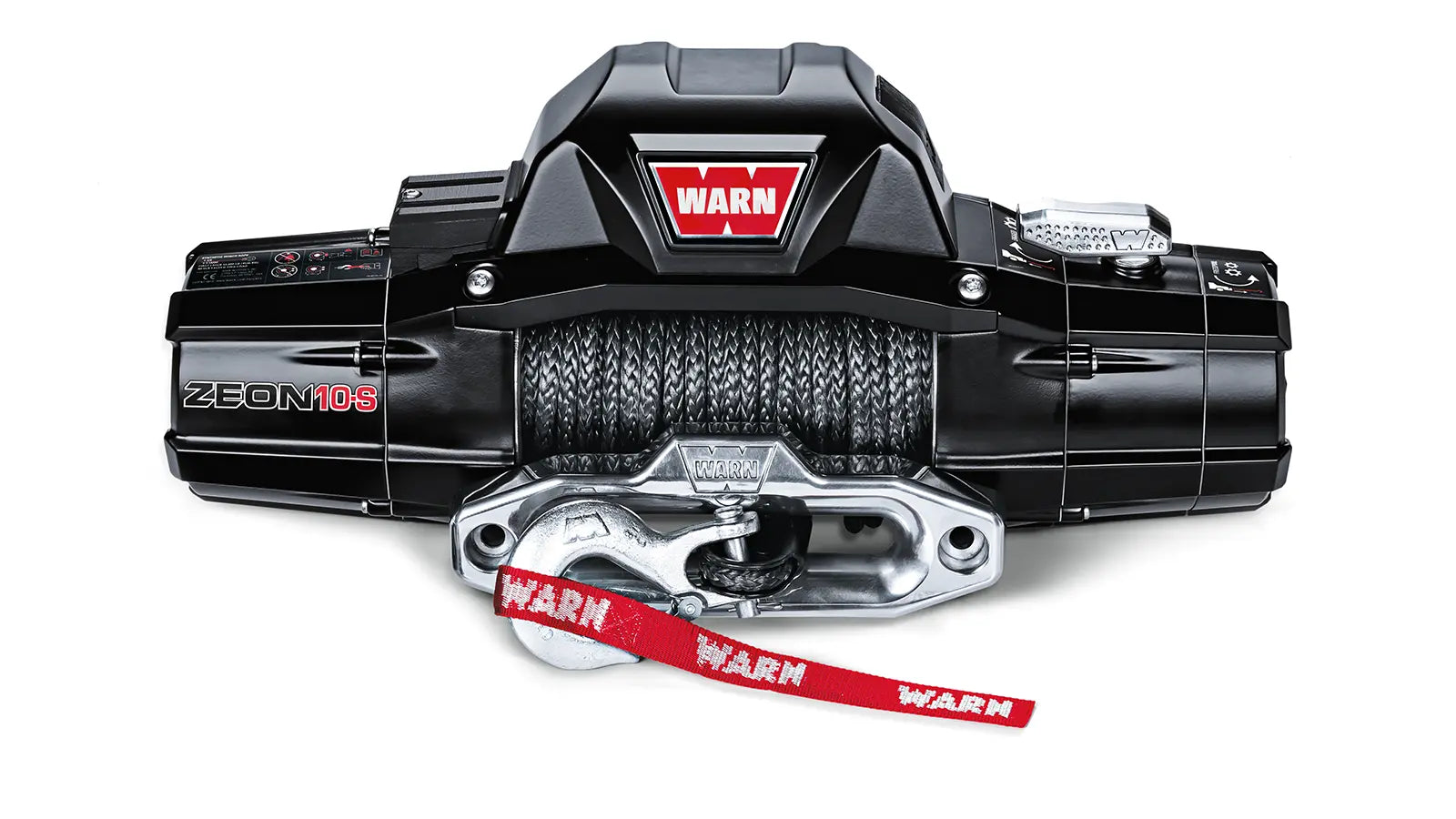
Warn ZEON 10-S Winch — 10,000 lb Synthetic Rope
Why We Like It
- 10,000 lb line pull — right-sized for a loaded Tacoma
- Series-wound motor for consistent power under load
- Synthetic rope is safer than wire and easier to handle
- Integrated contactor and clutch for reliable operation
- Warn's lifetime warranty on the winch frame
The ZEON 10-S is a proven premium recovery winch. It requires a bumper with a winch plate — the Buckstop front bumper (~$1,200) is a popular choice that provides proper winch mounting, recovery points, and protection without the $2,000+ price tag of ARB or Warn bumpers. Budget an additional $489 for an ARB Twin compressor, which handles tire airing down and re-inflation, plus runs an air locker if you add one later.
Sleep System: Tuff Stuff Alpha Series RTT
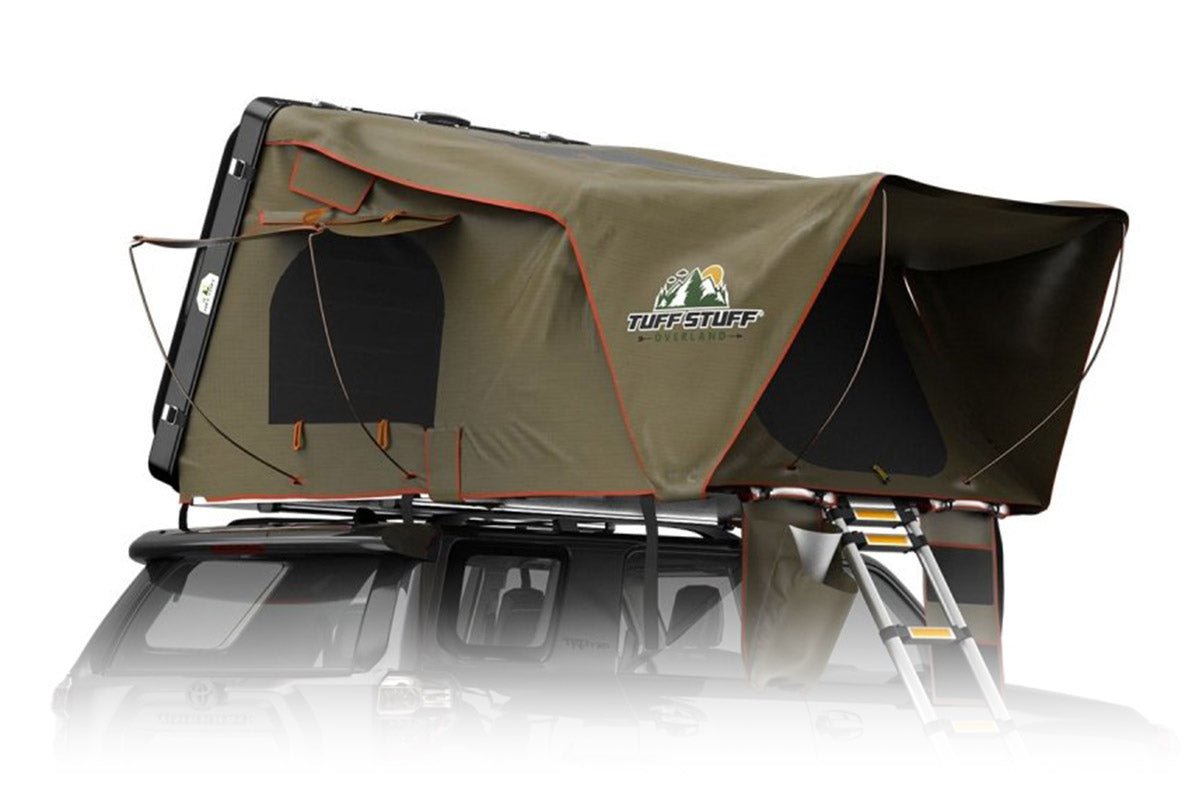
Tuff Stuff Alpha Series Rooftop Tent
Why We Like It
- Soft-shell fold-out design deploys in under two minutes
- Fits on the Leitner ACS bed rack without modification
- 600D canvas shell handles rain and moderate cold
- Included mattress is genuinely comfortable — no upgrade needed
- Best price-to-quality ratio in the entry RTT segment
Mount the Alpha on a Leitner ACS bed rack (~$800), which gives you a flat mounting surface for the RTT while keeping the bed accessible underneath for gear. Add Rigid Industries ditch lights (~$500) for a serious lighting upgrade over the Nilight pods — these are night-and-day brighter and use the OEM mounting points on most Tacoma trims.
Tier 2 Total: ~$7,800 — Dobinsons coilovers ($1,200) + rear springs ($280) + 285/70 KO2 tires ($900) + Buckstop bumper ($1,200) + Warn ZEON 10-S ($950) + Leitner rack ($800) + Tuff Stuff RTT ($3,599) + Rigid ditch lights ($500) + ARB compressor ($489) + recovery gear ($320).
The $18k Build — Full Expedition
This is a truck built to go anywhere and stay as long as you want. Every system is addressed: suspension, protection, lockers, power, sleep, and comfort. It's expensive, but this rig can handle the Dalton Highway, the Rubicon, and Baja — loaded with two weeks of supplies. Total investment: $17,000–$19,000.
Suspension: ICON Stage 6 Suspension System with Billet UCA for Toyota Tacoma
The ICON Stage 6 Suspension System with Billet UCA for Toyota Tacoma (~$3,500) includes billet coilovers front, Icon's remote reservoir shocks rear, and an upper control arm kit that dramatically improves suspension geometry and wheel travel. At this tier, you're getting proper independent front suspension performance — the truck stops wallowing and starts actually tracking on rough terrain. This is the setup serious expedition drivers use.
Check Price on Amazon ↗Protection: Full Skid Plate Suite
A full skid suite — oil pan, transfer case, and fuel tank (~$1,200 total) — transforms the Tacoma's underbelly from vulnerable to bomber. Brands like SCS, Cali Raised, and Shrockworks make quality bolt-on options. Budget ~$300 per plate and prioritize the fuel tank skid if you're only buying one.
Check Tacoma Skid Plates on Amazon ↗Lockers: ARB Air Locker Front + Rear
ARB air lockers front and rear, plus their compressor, runs approximately $2,500 installed. On a Tacoma with a 4WD rear diff, this is a transformative upgrade — the truck becomes capable of terrain that defeats open-diff competitors. You'll need professional installation for the air locker system, which is why we budget installed cost here. For Gen 3 TRD trucks that already have a factory rear locker, this budget can cover a front locker only.
Check ARB Air Lockers on Amazon ↗Tires: 285/75R16 Cooper STT Pro
At the expedition tier, step up to the Cooper Discoverer STT Pro in 285/75R16 (~$1,000 for four). This is a proper mud-terrain tire — aggressive sidewall lugs, self-cleaning tread, and a compound rated for rock and mud. You'll want to budget for a wheel upgrade here as well if your truck is on 17" wheels — many builders switch to 16" beadlock-compatible wheels for the expedition build.
Check Cooper STT Pro on Amazon ↗Sleep & Camp: Overland Vehicle Systems HD Nomadic 3 Extended Soft Shell Roof Top Tent
Overland Vehicle Systems HD Nomadic 3 Extended Soft Shell Roof Top Tent
Why We Like It
- Extended heavy-duty soft-shell design with annex room included
- 600D heavy-duty rip-stop polyester canvas with waterproof rainfly
- High-density foam mattress with anti-condensation mat
- Reinforced aluminum framing built for extreme overlanding
- Quick deploy setup with heavy-duty travel cover
Power & Fridge
A Dometic CFX3 55 dual-zone fridge (~$1,099) keeps food cold for weeks off-grid. Power it with a Goal Zero Yeti 1500X lithium power station (~$1,500) and a 200W Nomad solar panel (~$500). This combination provides roughly 3–4 days of fridge runtime per solar charge in moderate sun — more than enough for most trips, and fully self-contained without running the truck.
Round out the camp setup with an ARB 2500 awning (~$700) and Baja Designs bumper lighting (~$600 for a quality setup). The Leitner or Sherpa bed rack with a solar deck keeps the solar panel mounted and accessible without consuming bed space.
Tier 3 Total: ~$17,000–$19,000 — ICON Stage 6 Suspension ($3,500) + skid plates ($1,200) + ARB lockers installed ($2,500) + Cooper STT Pro tires ($1,000) + full skid rack with solar deck ($900) + OVS Nomadic 3 Extended RTT ($2,199) + Dometic CFX3 55 ($1,099) + Goal Zero Yeti 1500X + panel ($2,000) + ARB awning ($700) + Baja Designs lighting ($600) + miscellaneous hardware ($500).
Bed Platform vs Rooftop Tent for Tacoma
The Tacoma's bed is short — 5 feet on the short-bed, 6 feet on the long-bed Access Cab. This shapes your sleeping decision more than almost any other factor.
In-bed platform (short-bed): A 5-foot bed doesn't fit most adults lying flat. You'll need a platform that extends over the tailgate, or a diagonal sleeping setup. The Decked system solves the storage problem but not the length problem. Some builders run a custom platform with a cap and sleep at an angle — it works, but it's not comfortable for tall people. Best for short-bed Tacomas when you want to keep a low profile and not carry a tent.
In-bed platform (long-bed): The 6-foot long-bed Access Cab fits most adults (under 6'2") lying flat with a platform and a cap or camper shell. This is an excellent and affordable sleeping setup that keeps your center of gravity low and the truck's aerodynamic profile intact. Pair with a Leer or ARE camper shell and a foam pad for a simple, weatherproof bed.
Rooftop tent: RTTs solve the length problem entirely. You sleep above the truck, the bed is free for gear, and you're up off the ground (rattlesnakes, water, etc.). The downsides are cost, height (carport and garage clearance), wind vulnerability on hard-shell models, and the small but real fuel economy penalty from the aerodynamic drag. For most overlanders who camp more than a few nights per year, an RTT is worth the investment.
Tacoma-Specific Build Tips
KDSS on Gen 3: If your Gen 3 has KDSS (check the build sticker — it's listed as a factory option), you must use KDSS-compatible suspension components. Installing non-KDSS coilovers on a KDSS truck will damage the front suspension system. Dobinsons, Icon, and King all offer KDSS-compatible kits. Budget an extra $300–$500 for the compatible version.
Factory rear locker: Gen 3 TRD Off-Road and TRD Pro Tacomas come with an electronic locking rear differential. This is a significant capability upgrade that costs nothing if you're starting with those trims. If you're building from a base or SR5 truck, adding an ARB rear locker is one of the highest-value mods you can make for technical trail performance.
TRD vs base starting point: Starting with a TRD Off-Road gives you the rear locker, Bilstein shocks, front skid plate, and traction control tuning from the factory. It costs more to buy, but you're not paying for parts you'd add anyway. Starting from a base or SR5 is fine — you'll just need to budget the locker and shocks into your build. TRD Pro starting points are genuinely nice but the premium you pay at purchase is rarely recovered dollar-for-dollar in saved modification costs.
Payload awareness: A loaded Tacoma with a heavy RTT, full water tank, and gear can approach its rated payload quickly. Calculate your expected load before choosing suspension — oversprung suspension handles better loaded, while undersprung suspension will squat and handle poorly. When in doubt, go slightly stiffer on the rear spring rate than you think you need.
Tacoma Overland FAQ
Gen 2 vs Gen 3 Tacoma for overlanding — which is better?
Both are excellent. Gen 2 (2005–2015) wins on simplicity, lower purchase price, and a massive aftermarket — great for budget builds where you want to spend money on modifications rather than the truck itself. Gen 3 (2016–2023) wins on the factory rear locker (TRD trim), stronger frame, better crash ratings, and more modern driving feel. If you already own a Gen 3, build it confidently. If you're shopping for a truck to build, a clean Gen 2 with low miles is hard to beat on value.
What's the best Tacoma trim to start a build from?
The TRD Off-Road is the ideal starting point for most overlanders. It comes with the factory electronic rear locker, Bilstein shocks, crawl control, front skid plate, and a tuned traction control system. You're essentially getting $1,500–$2,000 in modifications built into the purchase price. The TRD Pro is nice but premium-priced — the additional Fox shocks and TRD Pro skid plate don't justify the $5,000+ premium over an Off-Road for most builders who will be upgrading suspension anyway.
Does the Tacoma need a locker for overlanding?
Not for moderate terrain — trail camping, forest roads, and most 4WD tracks don't require a locker. The Tacoma's traction control does a reasonable job of mimicking a locker in mild conditions. However, once you're pursuing technical terrain (rock crawling, deep mud, steep climbs), a locker makes a profound difference. The factory rear locker on TRD trims is excellent. If you don't have it from the factory and you're building for serious off-road use, an ARB rear air locker is one of the most impactful modifications you can make.
Reader Reviews
Share your experience with this gear